Guide · Landlords
The annual gas safety check, without the mystery.
If you let a property with gas appliances in it, the law wants an annual check by a registered engineer and a record of it in your tenants’ hands. Most landlords have never been told what is actually inspected. This page fixes that — and explains how to stop renewal dates creeping up on you.
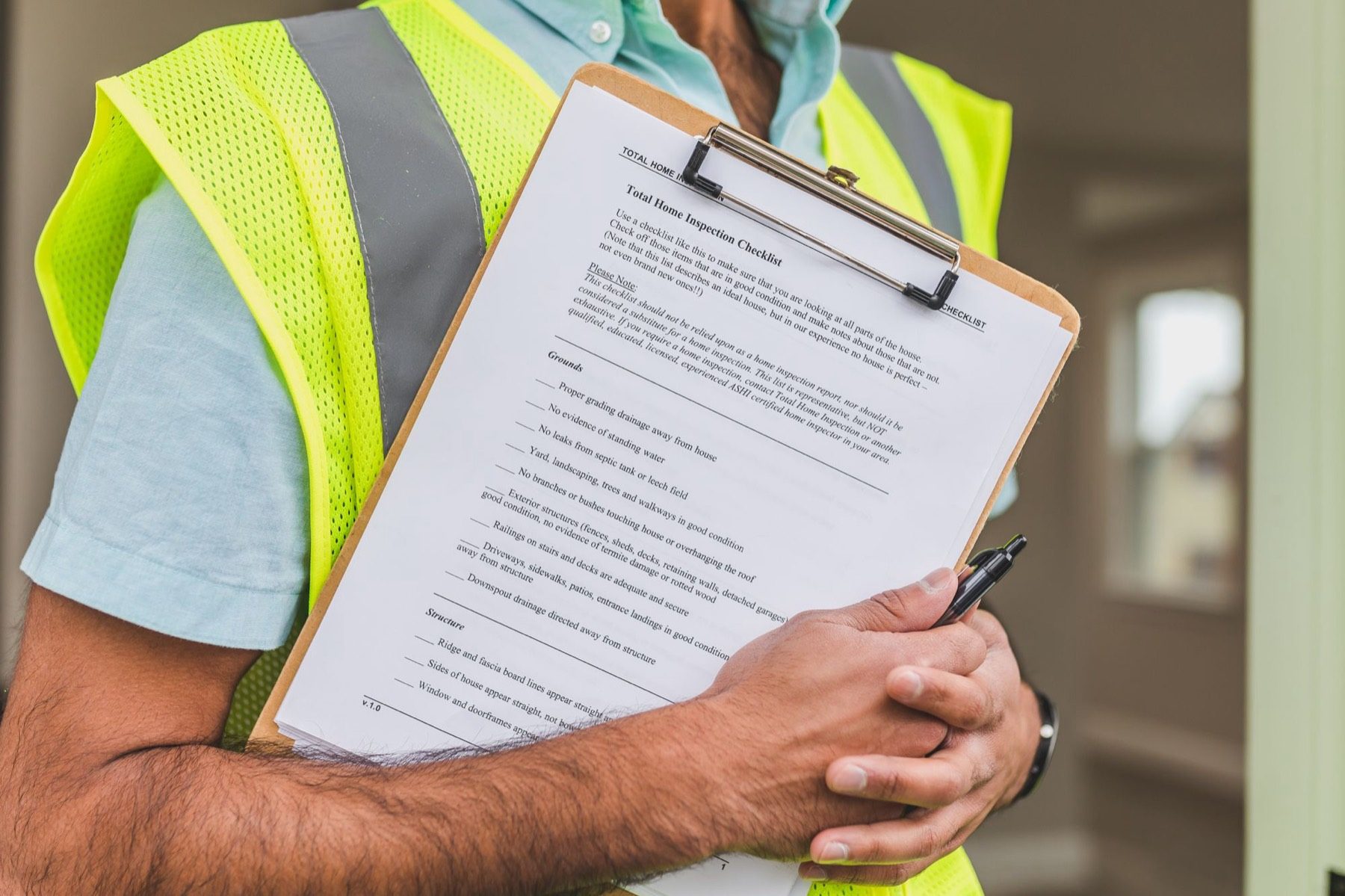
What is inspected
Six things that get looked at, every time.
A proper check is measured, not glanced at. If an engineer is in and out in ten minutes without running the appliance, you have not had one.
Every gas appliance you provide
Boilers, fires, hobs, cookers and water heaters that belong to the property are checked — a tenant’s own portable appliance is not yours to certify.
Combustion and gas rate
The appliance is run and measured to confirm it is burning correctly and taking the gas rate it should, rather than simply lighting.
Flues and ventilation
The flue route and terminal, the spillage test where it applies, and the permanent ventilation the appliance relies on.
Pipework and the meter
Visual inspection of accessible pipework plus a tightness test at the meter, with emergency control valve and bonding checked.
Safety devices
Flame supervision, pressure relief and the stability of the appliance itself — the parts that are supposed to fail safe.
The record itself
Findings written up, anything unsafe classified and acted on, and a copy issued for you and for your tenants.
Portfolios
One renewal diary beats twelve reminders.
The awkward part of a portfolio is not the checks, it is the dates. Put your properties on a service plan and the schedule becomes ours to keep: we hold the renewal dates, contact the tenants, carry out the check and the service in the same visit, and send you the records.
Gas, oil and air conditioning can all sit on the same plan, so an off-grid cottage and a flat with a split unit are handled by the same firm on the same rhythm.
Landlord questions
The six we are asked most.
- How often does the check have to happen?
- Every twelve months for each gas appliance and flue that you provide as landlord. It is sensible to book slightly early rather than slightly late — a cancelled tenant appointment should not be what pushes you out of date.
- Who has to get a copy of the record?
- Your existing tenants should receive a copy within 28 days of the check, and any new tenant should get one at the start of the tenancy. Keep your own copies too; landlords are expected to hold records for two years.
- What happens if an appliance fails?
- An unsafe appliance is classified, and with your permission it is turned off and labelled so nobody uses it. You then get a clear account of what is wrong and what it would take to put right — repair or replacement — before anything is spent.
- Can you deal with the tenants directly?
- Yes. Give us the tenant’s number and we will arrange access with them and report back to you. For most landlords that is the whole point of handing the job over.
- Is a safety check the same thing as a boiler service?
- No, and it is worth knowing the difference. A safety check establishes that an appliance is safe right now. A service cleans, inspects and adjusts it so it keeps running efficiently. Many landlords have both done in the same visit, which is what a service plan is for.
- What about oil, LPG and air conditioning in a let property?
- We service and maintain those too, so an off-grid property with an oil boiler, or a flat with a split air-conditioning unit, can sit on the same annual visit rather than needing a second firm.
General guidance only, written to help you ask better questions — the duties on landlords are set out in regulation and are worth reading in full. For your own properties, ring us and we will talk through what applies.